Useful gift to your subscription
Get meat dog cookies from the famous bakery Dogtown with your first order for FREE! Become part of our Furnatura pack and receive practical advice, tips and great deals from the world of dogs

BLOG
Being a dog owner isn't as easy as it might seem at first glance. One of the most important responsibilities is keeping your furry friend healthy and happy. That means providing plenty of exercise, playtime, cuddles and high-quality food, which is the foundation of good health. Your dog's overall health is often reflected in the condition of their coat, which should be clean, healthy-looking and shiny. Nutrition is simply essential, so we've prepared some tips on foods that can help support a beautiful, healthy dog coat.

1) High-Quality Nutrition Is Essential – What About Raw Meat?
The foundation of healthy skin and a beautiful coat is a high-quality, balanced diet that provides your dog with enough protein, fat, fibre, vitamins and minerals. A dog's coat is made primarily of protein, so a lack of protein can lead to brittle, weak and dry hair, as well as excessive shedding. Skin cells also contain fats and proteins. Without the right balance of these nutrients, the skin's natural protective barrier can become weakened, making it more vulnerable to moisture loss and external irritants.
What Does a Balanced Diet for Dogs Look Like?
You may choose dry dog food that guarantees specific amounts of nutrients and vitamins. However, it's important to pay attention to the quality of the food, its ingredients and how it is stored. Poor storage conditions can affect the quality of fats and certain nutrients over time. That's why choosing food from a reliable manufacturer and checking the ingredients and storage recommendations is important. Some dry foods contain added vitamins, preservatives or ingredients such as corn and soy. These ingredients aren't automatically harmful, but the overall nutritional balance and digestibility of the food should always come first. If you prefer feeding fresh meat or following a raw feeding approach, it's essential to make sure that the diet provides all the nutrients your dog needs. A properly balanced BARF diet (Biologically Appropriate Raw Food) is another feeding approach some owners choose. However, raw meat can contain harmful bacteria, and a homemade raw diet requires careful planning to avoid nutritional deficiencies. If you're considering BARF, it's best to choose a nutritionally complete formulation or seek advice from a qualified veterinary nutritionist. The most important thing is to provide your dog with a safe, balanced diet that supports their overall health and coat condition.

2) Omega-3 and Omega-6 Fatty Acids – Oils and Fish
Including foods rich in essential fatty acids in your dog's diet is very important. Dogs cannot produce certain essential fatty acids themselves, so they must obtain them through food. These fatty acids play an important role in maintaining healthy skin, supporting normal immune function and contributing to overall health. If your dog doesn't receive enough essential fatty acids, their coat may become dull, dry and brittle. Their skin may also become more sensitive and prone to irritation. That's why Omega-3 and Omega-6 fatty acids are valuable nutrients to consider when supporting your dog's skin and coat. You can find them in marine fish and other marine sources, such as salmon, sardines, tuna and krill, as well as in various plant oils, including flaxseed and borage oil. Adding fish to your dog's diet once or twice a week can be a useful way to provide additional nutrients, provided it is properly prepared and served in suitable amounts. For a medium-sized dog, a small portion of fish may be enough as an occasional addition to their regular food. If your dog doesn't enjoy fish, suitable oils such as salmon oil or flaxseed oil can also be added to their diet. The right amount depends on your dog's weight, health and overall diet, so always follow the recommended dosage. Don't expect your dog's coat to improve immediately after the first serving of fish or oil. Visible improvements may take several weeks, and around six weeks is sometimes needed before you notice a difference.
3) Probiotics for a Healthy Body, Skin and Coat
Probiotics are beneficial microorganisms that help support the natural balance of the gut microbiome – the community of bacteria, viruses and fungi living in the body. They can help maintain a healthy digestive system and support normal immune function. Gut health and the immune system are closely connected, and good overall health can also be reflected in the condition of your dog's skin and coat. That's why suitable probiotics can be a useful addition to your dog's diet.
What Are the Best Sources of Probiotics?
Goat's yoghurt and kefir can be good sources of beneficial bacteria, provided they contain live cultures and your dog tolerates dairy products well. Choose plain, unsweetened products made from pasteurised milk, without artificial sweeteners or other unsuitable ingredients. Fermented vegetables, such as sauerkraut, may also contain beneficial microorganisms. However, they are often high in salt and may contain seasonings that are unsuitable for dogs. If offered at all, they should be plain, low in salt and given only in very small amounts. Probiotic supplements designed specifically for dogs are another good option. When choosing a supplement, pay attention to the bacterial strains, quality and the number of colony-forming units (CFU) listed on the packaging. A higher CFU count doesn't automatically mean a better product. The most important thing is choosing a supplement suitable for your dog's individual needs. Prebiotics are another important part of a balanced diet. They serve as food for beneficial gut bacteria and can help support a healthy intestinal environment.
Natural sources of prebiotic fibre include chicory, dandelion, bananas, apples, asparagus and certain other dog-safe vegetables.
4) And What About a Reward?
Nutrition isn't just about what's in your dog's food bowl – it can also be a source of joy! After a bath or as a little thank-you for their cooperation, we recommend Furnatura After Bath Cookies. They contain carefully selected natural ingredients, such as spirulina, milk thistle oil and Arctic krill, which can help complement a balanced diet and support healthy skin and coat care. What's more, they smell wonderful, are handmade and contain no artificial preservatives or colourants. This gives you a delicious way to reward your four-legged friend while supporting their everyday nutritional care. Because your dog deserves something special – especially after being so patient during grooming!
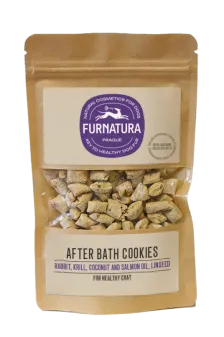
For healthy coat
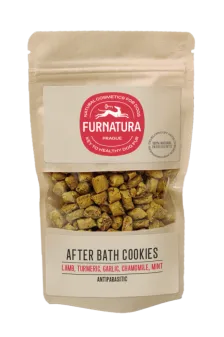
Antiparasitic
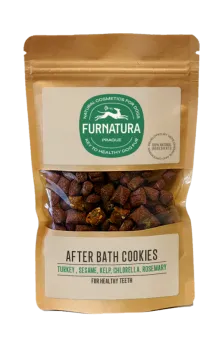
For healthy teeth
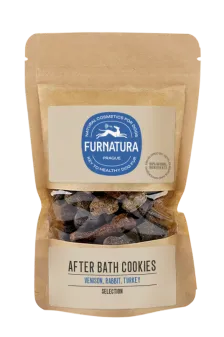
Delicious biscuits made with the best ingredients
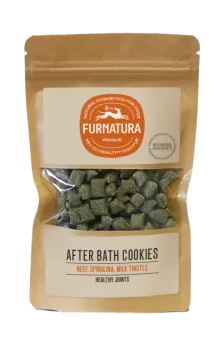
For healthy joints
You can find everything you need to know about natural dog care in our comprehensive guide:
Natural Dog Care
Discover more helpful articles about caring for your dog's coat on our blog:
Tips for a Beautiful Dog Coat
Aromatherapy – A Unique Experience for Every Sense
How to Get Rid of Fleas
Proper Dental Care for Dogs

