Useful gift to your subscription
Get meat dog cookies from the famous bakery Dogtown with your first order for FREE! Become part of our Furnatura pack and receive practical advice, tips and great deals from the world of dogs


BLOG
Scratching is a completely normal behaviour for dogs, especially during shedding season. However, if your furry friend scratches excessively or more often than usual, it's worth paying attention. Excessive scratching can lead to redness, bleeding scabs or even hair loss. The best solution is to identify the cause of the problem and address it. Don't be discouraged if the first approach doesn't work immediately – finding the cause of persistent itching can sometimes take time.

The first thing to consider is stress. Stressful situations can sometimes trigger scratching. Is your four-legged companion currently experiencing something stressful? Have they become more nervous than usual? It could be a change of environment, moving house or even stress that your dog senses from you. In such cases, the solution may be relatively simple. Once the stressful situation has been resolved and your dog feels comfortable again, the scratching may gradually decrease.

When choosing dog food, pay attention to its ingredients. Dogs need a balanced diet containing sufficient high-quality protein and other essential nutrients. When checking the ingredients of your dog's kibble, look for clearly identified sources of protein and an appropriate nutritional composition. Poor-quality food or ingredients that don't suit your dog may contribute to skin and coat problems, including excessive scratching. If your dog has sensitive digestion or recurring skin issues, specially formulated food may be worth considering. If your dog's current diet is otherwise suitable, you can also consider adding salmon oil. It contains omega-3 fatty acids, which can help support healthy skin and a shiny coat.
Besides salmon oil, other suitable nutritional oils may help provide essential fatty acids as part of a balanced diet. Always choose supplements intended for dogs and follow the recommended dosage.
Food allergies can also be one of the causes of excessive scratching. Some dogs may react to certain ingredients in their food, including particular sources of animal protein.One way to investigate a suspected food allergy is an elimination diet. This involves feeding your dog a carefully selected diet with ingredients they haven't eaten before, or a specially formulated hydrolysed diet, while avoiding other foods and treats. For reliable results, an elimination diet usually needs to be followed strictly for around 8–12 weeks, ideally under veterinary guidance. Even a small amount of an unsuitable treat can affect the results. Suitable rewards should therefore be part of the chosen diet. If a food allergy doesn't appear to be the cause, think about what may have changed since your dog started scratching. Perhaps you've switched laundry detergent or fabric softener, washed their bed with a new product or started walking in an area where plants may have been treated with chemicals.
If the itching continues, allergy testing or further examinations may be considered. An elimination diet is generally more reliable for investigating food allergies than blood tests marketed for that purpose.
Excessive scratching can occur even if your dog has been regularly dewormed. Fleas may be responsible, and you can often detect them at home. Carefully examine your dog's coat and skin, paying particular attention to the belly and the area around the tail. You may notice fleas or small black specks known as flea dirt. When placed on damp white paper, flea dirt often leaves a reddish-brown stain. If you discover fleas, there are various flea-control products available, including specially formulated shampoos. It is also important to use an effective flea treatment suitable for your dog, wash their bedding and thoroughly clean the areas where they spend time. A flea comb can be a useful addition to your grooming routine.
You can find more helpful tips in our article about flea infestations.
Besides fleas, dogs can also be affected by other external parasites, including mites that cause mange, harvest mites and other skin problems. A veterinarian can help identify the parasite and recommend suitable treatment. Depending on the symptoms, this may involve examining skin samples, taking a skin scraping or performing other tests.
Treatment is often straightforward once the cause has been identified. Depending on the diagnosis, your dog may be prescribed a spot-on treatment or an oral antiparasitic medication.
Dogs can sometimes scratch out of habit. If other causes have been ruled out and dietary changes haven't helped, behavioural or stress-related factors may be involved. Try observing whether your dog scratches in response to certain recurring events or situations. If you notice a pattern, gently redirecting their attention and providing a calm, stimulating environment may help. However, persistent itching should not automatically be considered a behavioural problem, as an underlying physical cause may still be present.
Dry skin or dandruff is another common cause of scratching. It can be associated with frequent bathing or using unsuitable shampoos that dry out the skin. Human shampoos are not recommended for dogs, as their skin has different needs and a different pH balance. Instead, choose a gentle shampoo specifically formulated for dogs. Quality dog grooming products, including those from Furnatura, can help cleanse the coat while supporting the skin's natural moisture balance.
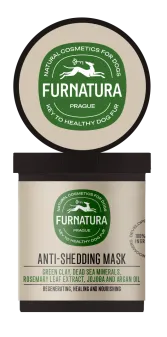
Regenerating, healing and nourishing
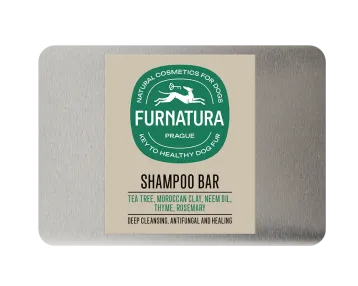
Deep cleansing, antifungal and healing
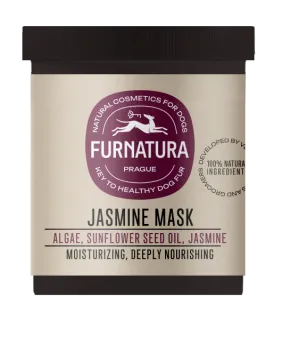
Moisturizing, highly nourishing
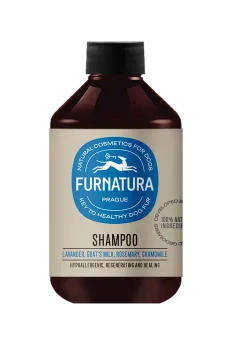
Hypoallergenic, regenerative and healing effects
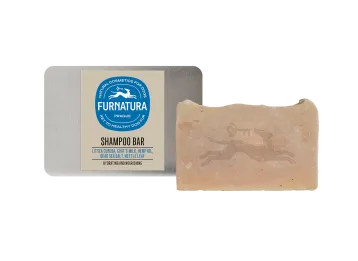
Hydrating and nourishing
The skin is the largest organ of the body, so it's important to check it regularly and take proper care of it.
Every animal lover knows how upsetting it can be to see their pet uncomfortable. If your furry friend scratches throughout the day, you naturally want to find a way to help relieve their itchy skin.
Gentle grooming and carefully selected products can support healthy skin and coat care. However, if the itching persists despite your efforts, it's important to identify the underlying cause. A veterinarian or veterinary dermatologist can examine your dog, recommend suitable tests and advise you on the next steps.
You can find more helpful articles about caring for your dog on our blog:
Yeast Infections in Dogs: How to Deal with Them?
Sensitive Dogs: Spring Allergies and Yeast – What Can You Do?
3 Nutritional Tips for a Healthy Dog Coat

