Useful gift to your subscription
Get meat dog cookies from the famous bakery Dogtown with your first order for FREE! Become part of our Furnatura pack and receive practical advice, tips and great deals from the world of dogs


BLOG
Taking care of your dog's coat is one of the essentials for keeping your furry friend healthy and happy, regardless of their breed. In addition to regular grooming salon visits and professional trimming, it's important to pay attention to your dog's coat and other areas of their body at home. This helps prevent unpleasant problems such as tangled fur, matting and overgrown nails, which can cause discomfort for both your dog and their groomer.
So, what should you remember when caring for your dog between grooming appointments?

During every visit to a grooming salon, your dog receives care such as bathing, brushing, nail trimming, ear cleaning and a haircut if needed. For many dogs, these grooming procedures are repeated every four to eight weeks, depending on their breed, coat type and individual needs. But what can you do at home to make the next salon visit as pleasant and comfortable as possible for your four-legged friend?

Regular brushing and combing are essential for preventing tangles and matting in your dog's coat.If you don't spend a little time brushing your dog regularly, their fur can quickly become tangled and develop painful mats. Although a professional groomer can deal with heavily matted fur, removing these tangles can be uncomfortable and sometimes painful for your dog.Removing mats also requires additional grooming products, such as a detangling spray, and more time at the salon. This may also increase the cost of the grooming appointment.That's why regular brushing at home is so important. It helps keep your dog's coat in good condition and makes professional grooming much more pleasant.Taking care of your dog's coat is also a wonderful opportunity to spend quality time together and strengthen the bond between you and your four-legged friend.

A Brush You’ve Dreamed Of

Three size 2 in 1 brush for dogs
If you bathe your dog, always use high-quality grooming products that are gentle on their skin. Some shampoos, whether low-quality dog shampoos or products intended for humans, may contain unsuitable ingredients or have a pH level that can irritate your dog's skin. Using such products may lead to skin irritation, allergic reactions, dryness, brittle fur and dandruff. We can confidently recommend Furnatura products, which are specially developed to be gentle on your dog's skin and coat. Because your furry friend deserves the very best care!
Our word on it – from the bottom of our hearts to your dog's ears!

Clean, moisturised and healthy fur

Hypoallergenic, regenerative and healing effects

Anti dandruff, anti-itching and hotspots

Repelent and harmonizing properties

Volumizing, nourishing and strengthening
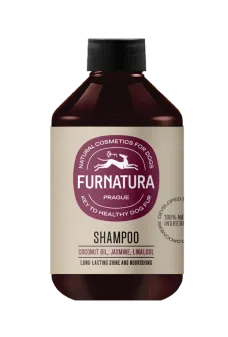
Long-lasting shine and nourishing
Nail trimming is a routine part of professional dog grooming. However, some dogs, especially those that spend most of their time walking on soft surfaces, may need their nails trimmed more frequently. When nails become too long, the quick – the sensitive part containing blood vessels and nerves – can also grow longer. This can make future nail trimming more difficult, as the groomer needs to avoid cutting into the quick. Overgrown nails may also curl towards the paw pads, causing pain and discomfort. There is also a risk of nails catching on objects, splitting or being torn. That's why it's important to check your dog's nails regularly. Ideally, your dog's nails should not interfere with their natural stance or movement when standing on a flat surface. Regular walks on firm surfaces, such as pavement or gravel, can help wear down the nails naturally. However, some dogs will still need regular nail trimming. If you're unsure how to trim your dog's nails safely, ask your professional groomer for advice.

Claw clipper in two sizes
Another important part of caring for your dog between grooming salon visits is following your groomer's recommendations. During a grooming appointment, an experienced groomer can notice changes in your dog's physical condition or behaviour. These may include signs of an ear infection, a grass seed caught in the paw or fear of the sounds made by grooming clippers. Professional groomers work with many dogs every day, so their observations and recommendations can be very valuable. If your groomer notices something unusual, it's worth paying attention. For example, if your dog shows signs of a possible yeast infection, it's important to have the problem checked by a veterinarian. If your dog is afraid of unfamiliar sounds or grooming equipment, gentle and regular training at home can help them gradually become more comfortable.

By following your groomer's advice and maintaining a regular care routine, you can help make every grooming appointment a more pleasant experience for your furry friend.
Other articles you may find interesting:
How Often Should You Bathe Your Dog?
Dog Teeth and Everything You Need to Know About Them
Proper Ear Care for Dogs

